Borussia Dortmund and Schalke 04 turn the Ruhr derby into a 90-minute argument about identity, loyal
On 25 November 2017, Borussia Dortmund led Schalke 4-0 at half-time in the Ruhr derby and still failed to win. The 4-4 draw at Signal Iduna Park was not a freak accident so much as a warning: this fixture punishes certainty. A Ruhr derby can look settled for 45 minutes and then turn into a test of nerve, memory and local pride. That is why the match matters beyond the table. It is a 90-minute argument about which club represents the region's harder, more stubborn self-image. The first half that afternoon was almost clinical;the second was chaotic, loud and faintly ridiculous. Dortmund stopped moving the ball with purpose, Schalke fed off every misplaced pass, and the stadium's mood shifted from celebration to dread. By the final whistle, the result felt less like a comeback than a correction. The Ruhr derby had done what it usually does: it made a clear story look borrowed. The numbers said 4-4;the experience said something less tidy. Dortmund had the better individuals。
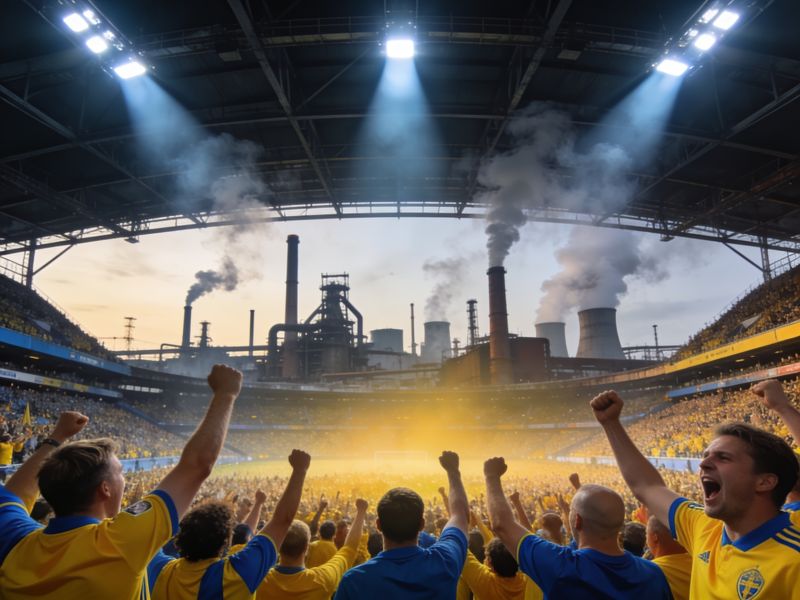
Schalke had the better second-half argument, and neither side left with the comfort it wanted.The geography explains part of it. Dortmund and Gelsenkirchen sit roughly 30 kilometres apart in the Ruhr, a polycentric industrial region shaped by coal, steel and migration. Borussia Dortmund grew into a mass club with a yellow wall;Schalke 04 built its identity around the pit and the promise of solidarity. When fans call the Ruhr derby a family quarrel, they are being polite. It is closer to a neighbourhood dispute with 80,000 witnesses. I have spoken with supporters who treat away tickets as inherited property, passed down with the same seriousness as a birth certificate. The Ruhr derby is not simply a Bundesliga fixture;it is a local audit of loyalty. That helps explain why the away end at Signal Iduna Park can sound louder than its size。and why a routine league match can feel like a referendum on who the region actually is. The derby's humour is dry, its resentment long-matured, and its rituals are learned young.Tactically, the Ruhr derby rarely rewards pure control. Teams arrive expecting duels, second balls and quick transitions. Referees feel the pressure early;a card in the first ten minutes can change the entire emotional register. In the 4-4, Dortmund's first-half pressing and width made Schalke look passive, but the second half exposed a different truth: no lead is safe when the crowd starts sensing a comeback. Schalke kept attacking through the channels, won loose balls。
and turned set pieces into psychological pressure. The Ruhr derby has a way of making technical superiority look fragile. Dortmund's midfield dropped too deep, the full-backs stopped pushing, and Schalke's forwards began to attack the space behind them. Nothing about that collapse was mystical. It was a tactical retreat dressed up as composure, and the Ruhr derby punished it.Commercial power has altered the rivalry. Dortmund's Champions League revenue, global fan base and player-trading model have widened the gap, while Schalke's relegation in 2021 and financial difficulties made the Ruhr derby disappear from the Bundesliga calendar for two seasons. That absence mattered. A Ruhr derby without both clubs felt like a public holiday cancelled at short notice. When Schalke returned in 2022, the Ruhr derby came back with its old edge: more fouls, more noise。
more nervous laughter in the press box. The fixture's history does not level the financial playing field, but it compresses it for 90 minutes. Anyone who claims the Ruhr derby has lost relevance should watch the first tackle. The crowd rises before contact is made. Players who look calm in European ties suddenly snatch at passes. That is not nostalgia. It is the fixture's remaining competitive advantage.The Ruhr derby is best understood as a stress test for institutions. Dortmund's yellow wall can intimidate, but it can also demand too much;Schalke's loyalty can sustain a club through crisis, yet it can romanticise suffering. My own view is that the fixture's value lies in its refusal to become a polished product. It remains slightly ugly, slightly unpredictable and deeply local. A Ruhr derby should not be clean. Its edges are the point. Long may it keep embarrassing the spreadsheet. Television can capture the noise but not the suspicion that something important is being settled in the stands as much as on the pitch. That is why neutrals remember the score, while locals remember the argument. The Ruhr derby survives because it still produces moments that resist explanation。and because two sets of supporters keep measuring themselves against each other with a seriousness that no marketing department could invent.